White Transparent Patterns Digital Paper
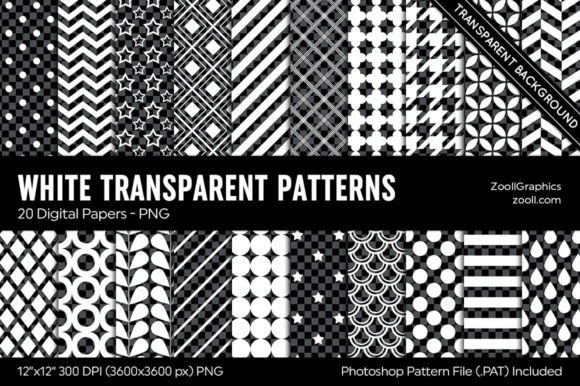
When designing digital projects, the right tools can make all the difference. Whether you're crafting invitations, planning layouts, or preparing materials for a creative project, having access to high-quality, versatile design assets is essential. White Transparent Patterns Digital Paper offers a unique solution with its collection of 20 seamless tileable overlay patterns—dots, stripes, chevron, stars, squares, houndstooth, and fishscales—all in white on a transparent background. This set is more than just decorative elements; it's a practical resource that enhances creativity and efficiency across multiple applications.
Why White Transparent Patterns Matter for Designers
In today’s fast-paced creative world, designers often need quick, reliable resources that can be easily integrated into their workflows. White Transparent Patterns Digital Paper delivers exactly that. Each pattern is designed to be seamless and tileable, meaning they can be repeated without visible seams, making them ideal for backgrounds, overlays, and textures. The transparency of the background ensures that these patterns can be used without altering the underlying content, preserving the integrity of your designs.
For professionals such as graphic designers, educators, and small business owners, this type of resource saves time and effort. Instead of creating custom patterns from scratch, you can access a wide range of options ready to use. This not only speeds up the design process but also allows for greater experimentation and flexibility in your work.
Practical Benefits of Using White Transparent Patterns
The value of White Transparent Patterns Digital Paper lies in its versatility and ease of use. Let’s explore how it can support different aspects of creative work:
- Enhanced Creativity: With a variety of patterns available, you can easily add visual interest to any project. Whether you're working on a planner, a card, or a party invitation, the right pattern can elevate the overall look and feel.
- Time Efficiency: By providing pre-designed, high-quality patterns, White Transparent Patterns Digital Paper reduces the need for manual creation, allowing you to focus on the core aspects of your project.
- Consistency Across Projects: Seamless tiling ensures that patterns can be applied consistently across large areas without distortion, which is particularly useful in print and digital media.
- Adaptability: These patterns are suitable for a wide range of uses, from scrapbooking to gift wrapping, making them a valuable addition to any designer’s toolkit.
Who Can Benefit Most from This Resource?
White Transparent Patterns Digital Paper is especially beneficial for those who frequently engage in paper-based or digital design work. Hobbyists, bloggers, and small business owners may find it particularly useful for creating personalized items such as greeting cards, planners, and promotional materials. Educators can use these patterns to enhance visual aids or classroom projects, while entrepreneurs may incorporate them into branding materials or packaging designs.
Additionally, freelancers and professionals in fields like marketing and publishing can leverage these patterns to create visually appealing content quickly and efficiently. The ability to apply these patterns across various platforms—from social media to print—makes them a versatile asset for anyone involved in content creation.
How to Use White Transparent Patterns Effectively
To get the most out of White Transparent Patterns Digital Paper, consider the following tips:
- Use as Backgrounds: Apply these patterns as overlays behind text or images to add depth and texture without overpowering the main content.
- Customize for Specific Needs: Experiment with layering different patterns or adjusting opacity to suit the tone and style of your project.
- Integrate with Other Tools: The included PAT file makes it easy to use these patterns directly in Photoshop, expanding their utility for professional-grade designs.
- Save Time with Pre-Designed Options: Rather than spending hours creating custom patterns, simply choose from the available options to streamline your workflow.
Considerations and Limitations
While White Transparent Patterns Digital Paper offers many advantages, it’s important to consider its limitations. For instance, these patterns are best suited for projects where a subtle, elegant aesthetic is desired. They may not be appropriate for designs requiring bold or intricate patterns. Additionally, since the patterns are transparent, they may not always provide the same level of detail or impact as solid-colored overlays.
Users should also consider the resolution and size of the files when working on high-quality print projects. The 300 DPI, 12 x 12 inch PNG files ensure excellent quality, but it’s crucial to match the scale and resolution to the intended output to avoid any loss of clarity.
Real-World Applications
The practical applications of White Transparent Patterns Digital Paper are numerous. Here are a few examples:
- Scrapbooking: Add subtle texture to photo layouts without distracting from the photos themselves.
- Planner Embellishing: Create visually engaging pages by incorporating patterns into notes, calendars, and journal entries.
- Party Invitations: Use patterns to add a touch of elegance to event details, making them stand out while maintaining a clean, professional look.
- Gift Wrapping: Apply patterns to gift tags or wrapping paper to personalize presents without using traditional printed materials.
- Paper Crafts: Incorporate patterns into DIY projects such as origami, card making, and other creative endeavors.
Conclusion
White Transparent Patterns Digital Paper is more than just a collection of design elements—it’s a powerful tool that supports creativity, efficiency, and consistency in a wide range of applications. Whether you're a professional designer or a hobbyist, these patterns offer a simple yet effective way to enhance your projects. By understanding how to use them effectively and considering their strengths and limitations, you can maximize their value and improve your overall design outcomes.